
-210x140.jpg "A-Frames")

Why Clear Films Aren't All Created Equal
Why Clear Films Aren't All Created Equal

SIGNAGE | CLEAR VINYLS
Ask ten people what "optically clear" means and you might get ten different answers. On paper, it just means the film lets light through without messing with the image behind it. In practice, it's the difference between a graphic that looks like it's floating on the glass and one that looks like you've stuck a shower curtain over the window.
So what actually separates a genuinely clear film from one that's just... clear-ish?
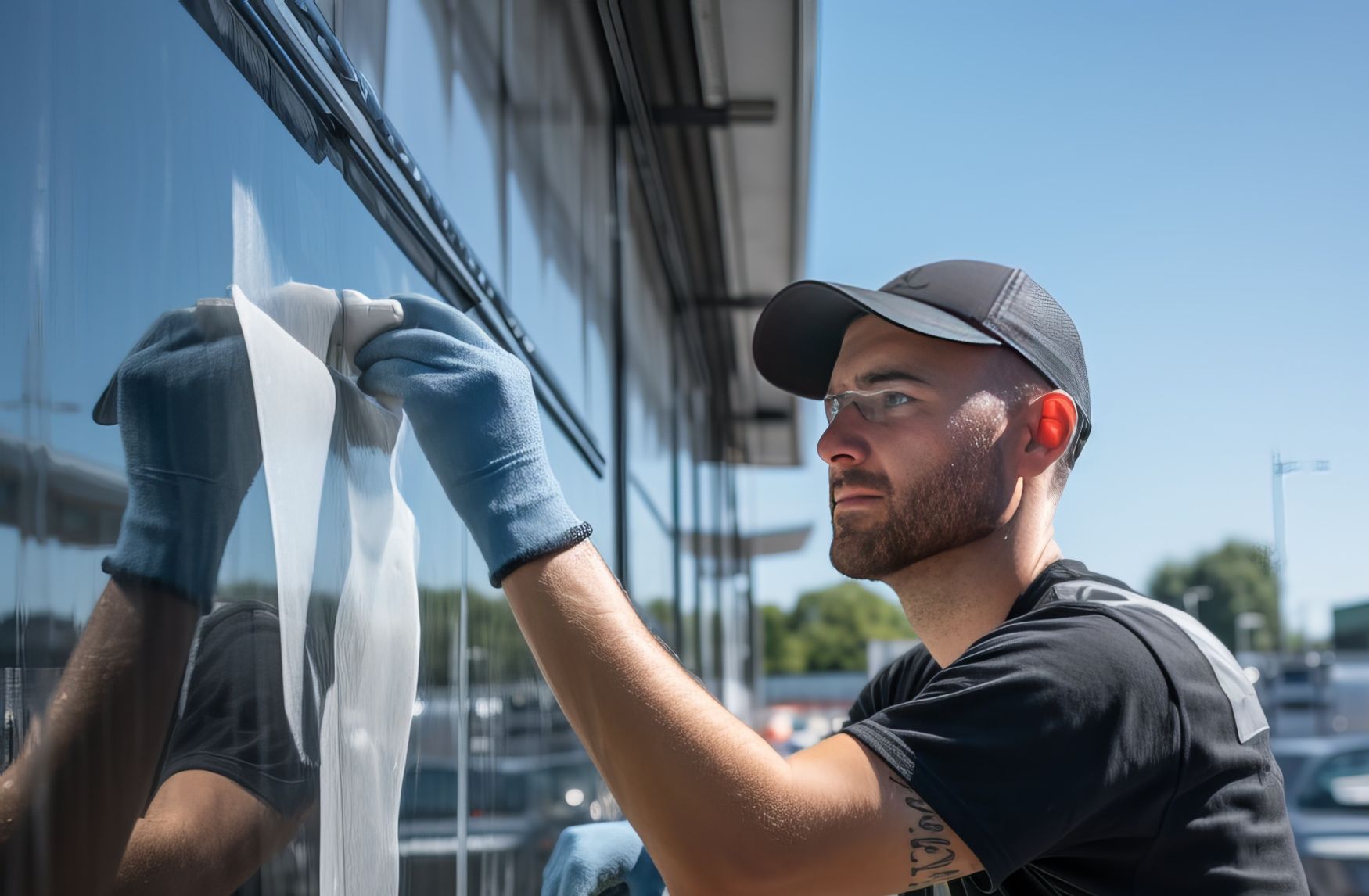
It's not just the vinyl
It's not just the vinyl
The vinyl formulation matters, sure. But clarity is a system, not a single ingredient. Three things are doing the work:
The vinyl itself. Polymeric vinyls are formulated for dimensional stability and optical performance. They're built to lie flat and stay flat, which matters more than you'd think. A film that shrinks, curls, or hazes over time was never really "clear," it just looked clear on day one.
The Liner. Yep, the bit you throw away. A cheap or inconsistent liner can leave texture, static, or micro-imperfections telegraphed straight through thin film during application and lamination. You don't notice until the graphic's up and catching afternoon light at the wrong angle.
The adhesive. This is the sneaky one. Adhesive that isn't formulated for clarity can yellow, cloud, or develop a slight haze as it cures, especially with certain ink systems. A film can nail the vinyl and still get let down here.
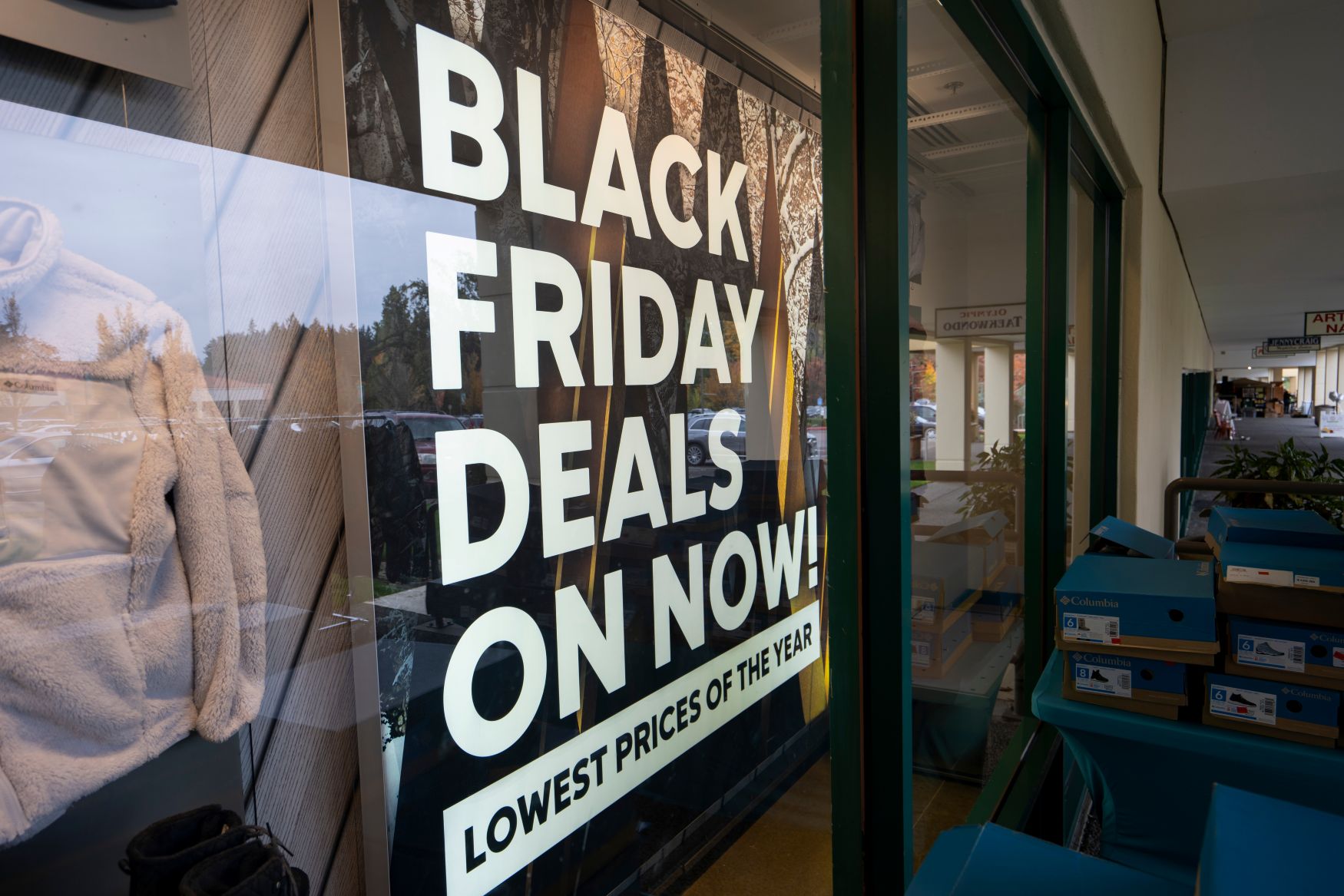
The tell-tale signs of a film that isn't really clear
- Slight haze or milkiness once installed, even if it looked fine off the roll
- A yellow or warm cast creeping in over a few months
- Visible texture or "orange peel" when light hits at an angle
- Distortion around the edges of full-coverage jobs, where the unprinted glass should read as, well, glass
None of these show up on the spec sheet as "not clear." They show up three months into the job when the client calls.

Why this matters more on full-coverage jobs
Why this matters more on full-coverage jobs
Spot graphics can hide a multitude of sins because the eye's drawn to the image, not the film around it. But full window coverage puts optical clarity to the real test, because the unprinted areas are doing just as much work as the printed ones. If the film's slightly hazy, there's nowhere for it to hide. The whole point of "full coverage without cutting around the image" only works if what's left behind actually reads as glass.
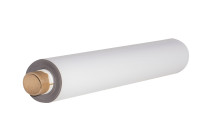
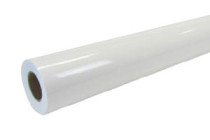
This is exactly the spec conversation worth having before quoting a retail fitout or office glazing job, not after. Supatac's STD1410, for instance, is built around this exact brief: a 100µ polymeric vinyl paired with a proper 120µ PET liner and a low-tack adhesive engineered for clarity, not just adhesion, so what you install is what stays clear.