
-210x140.jpg "A-Frames")





Eco-Friendly Signage Materials: What to Use When a Client Has a Green Quota

SIGNAGE | RETAIL | DISPLAY
“Eco-friendly” doesn’t mean the same thing from one client to the next. For some it means no PVC. For others it’s about being recyclable at the end of the job’s life, and some just want renewable content in the materials. Each of those points to a different substrate, so the best pick usually comes down to how the guideline is worded rather than which material sounds the greenest.
Here’s how the three main options line up.
PVC-free vinyl
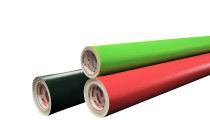
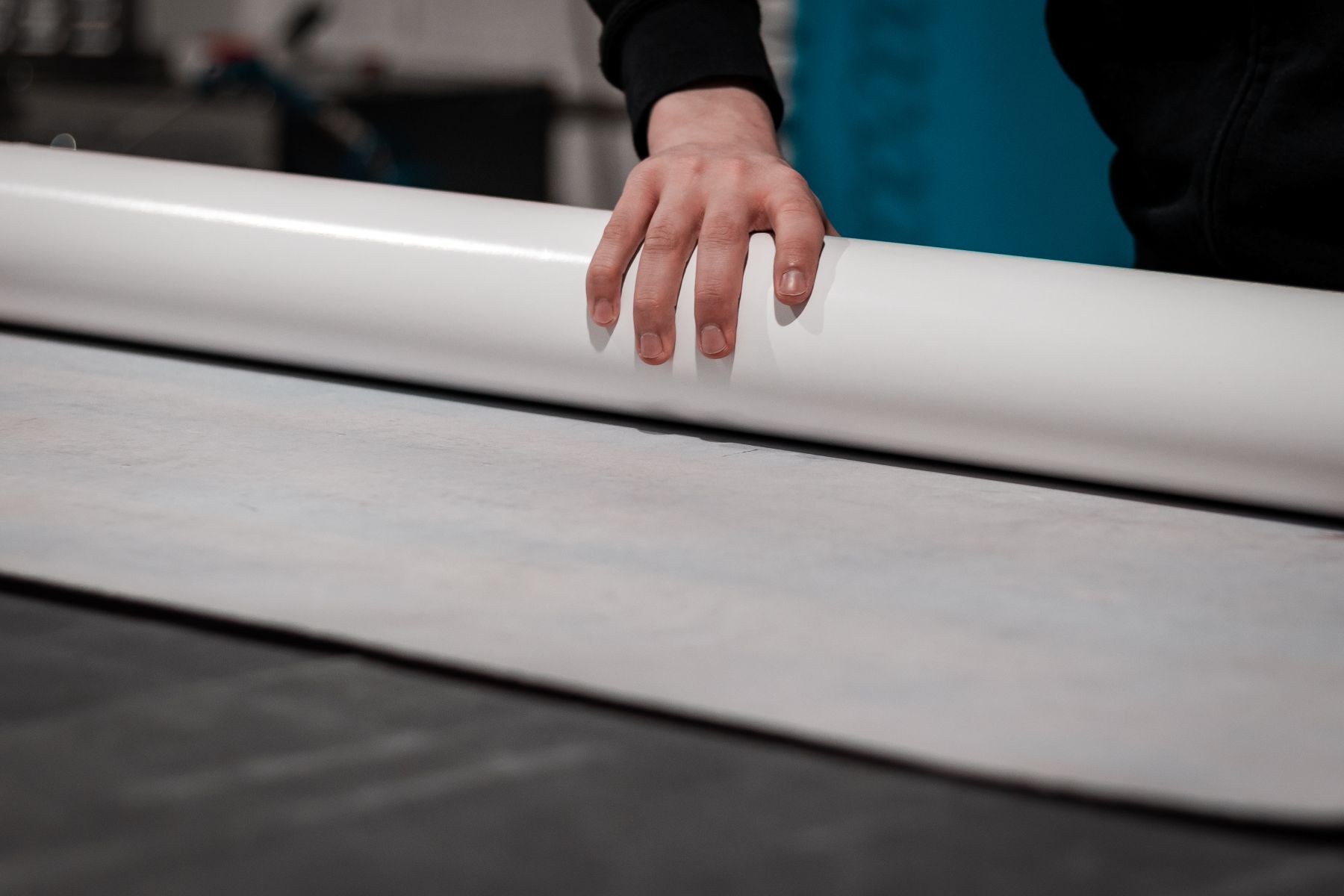
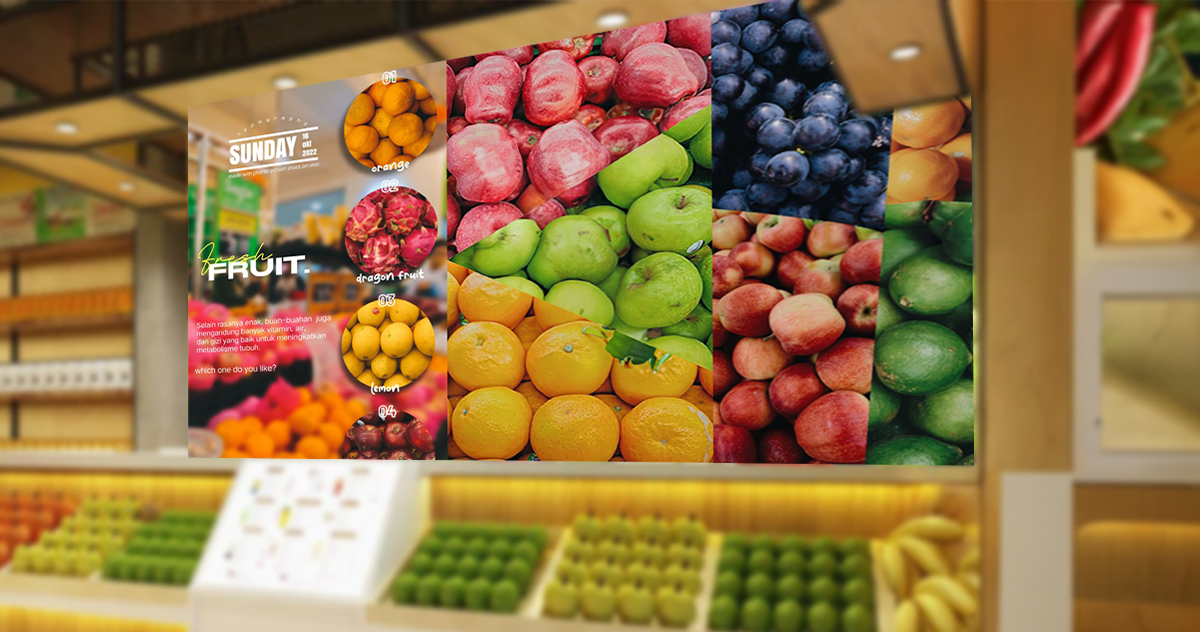
When the brief says “no plastic”, PVC-free vinyl is the straightforward answer. It’s a self-adhesive film, so it prints, cuts and applies the way you already work, and there’s no need to change your process to meet the requirement. That makes it a good fit for window graphics, wall graphics and general signage, which are the jobs where PVC-free guidelines come up most often.
Because it behaves like the vinyl you’re used to, it’s also an easy way to bring a client with a new sustainability policy onto a greener material without changing the look of the finished job.

Paper-based substrates
Paper-based substrates suit clients who want renewable content behind their signage. They take print really well, so colour and detail come up crisp, and they’re a natural match for short-run and temporary work like events, promotions, indoor displays and pop-up activations.
The smart angle here is lifespan. The greenest sign is the one that’s made to suit the job it’s doing. A campaign with a defined end date doesn’t need a material built to outlast it, and a paper-based substrate gives the client exactly the life they need.
Polypropylene substrates
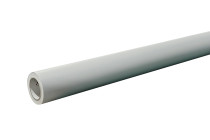
When “recyclable” is the keyword in the guideline, polypropylene is the one to reach for. It’s light, rigid and prints well, and as a recyclable plastic it gives the client a clear end-of-life story. It’s easy to handle, cut and install, which keeps the whole job simple.
Polypropylene also suits a mono-material approach, where the print, the board and the mounting are all kept to as few materials as possible. The simpler the build, the easier it is for the client to recycle at the end of the job. It’s a clean way to show a client you’ve thought about the whole life of the sign.
Think beyond the substrate
The material is the headline, but clients with strong green targets often look at the full picture. A few things they tend to ask about:
* Ink: Latex and other lower-odour ink options can support an indoor or low-emission brief, so it helps to know what’s compatible with the substrate you’re recommending.
* Install and removal: Signs that go up cleanly and come down in one piece are easier to reuse, recycle or return.
If you can answer those questions before the client asks, you make their reporting easier, and that’s what brings them back for the next job.
Matching the material to the guideline
A quick way to think about it:
Guideline says PVC-free → PVC-free vinyl
Guideline says renewable or paper-based → paper-based substrates
Guideline says recyclable → polypropylene
Get the wording right at the quote stage and the rest of the job tends to fall into place.
Eco-Friendly Products in Our Range
PVC-free, Micro-suction technology – DOT suction cups formed on one side grip any flat, smooth surface
Order Now White BG No Symbol (1).jpg)
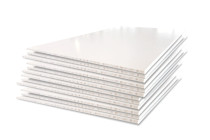
BubbleBoard Opaque - Printable Polypropylene Board
Order NowA premium polypropylene display sheet engineered for high-impact visual applications
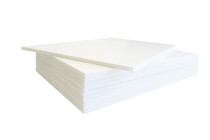
ProGrafik Tigerboard Eco-Rigid Indoor / Outdoor Card Print Media
Order NowCrafted from responsibly sourced paper, it combines cost-effectiveness with an 80% reduction in environmental impact
WALLTEX WT101 Wall Graphic Fabric Opaque Removable Adhesive
Order NowNon-toxic, PVC, and phthalates-free premium wall graphics fabric