-210x140.jpg "A-Frames")

How to Choose the Right Floor Graphic Material for the Job
SIGNAGE | RETAIL AND EVENTS | FLOOR GRAPHICS
Floor graphics are one of those things that look simple until you get it wrong. The design can be spot on, the print can be perfect, and the whole job still falls apart if the material isn't matched to the surface and conditions it's going into. So before you hit print, here's what to actually think about.
Start with the Surface
The surface dictates everything. Before you even think about material, you need to ask: what is this thing going on top of?
Carpet
Carpet is its own beast. Standard floor vinyls aren't designed to grip textile surfaces, so most of them will shift, bubble, or peel up well before the promotion is done. What you need is a material with a specialised adhesive engineered specifically for carpet fibres, not just a strong all-purpose glue. The adhesive needs to grip the texture of the carpet without tearing it up on removal.
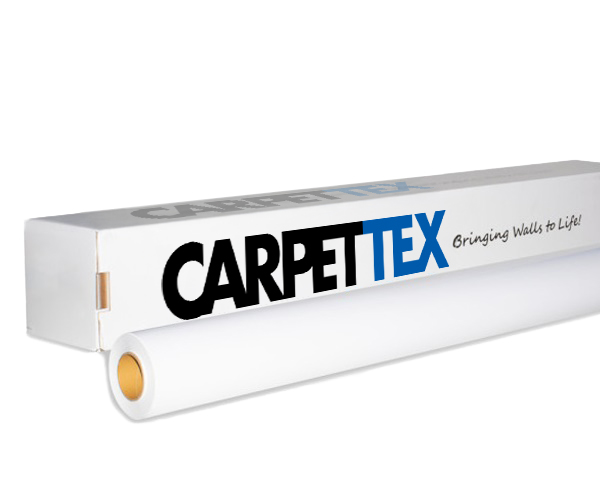
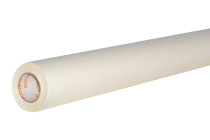
A textured vinyl surface also matters here, both for print quality and for slip resistance, since carpet already has some give underfoot and you don't want a smooth vinyl turning it into a skating rink. Our go-to for carpet applications is CarpetTEX, which is purpose-built for exactly this and CSIRO slip-resistance tested to AS4586:2013.
Smooth indoor floors: concrete, stone, tiles
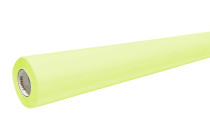
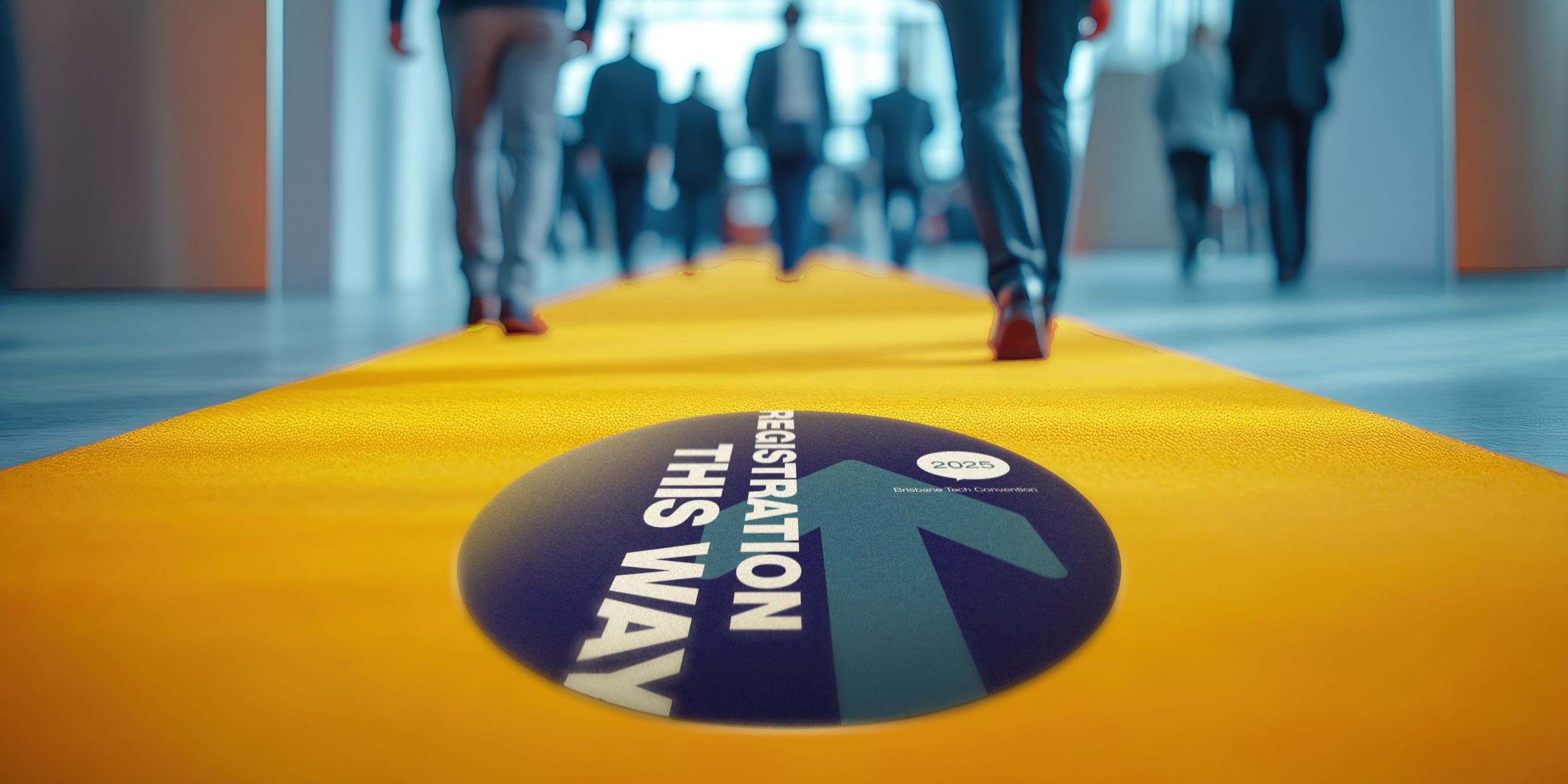
For hard indoor surfaces, you've got more options, but the key considerations are adhesion and slip resistance. A fabric-based material with a textured coating tends to work well here because the texture does double duty: it gives the adhesive more surface area to grip and creates a non-slip walkway without needing a laminate on top.
The trade-off with smooth surfaces is that the smoother and more polished they are, the harder it gets. Polished floorboards, polished stone, and gloss tiles are notoriously tricky and not every material will bond reliably to them. If the surface falls into that category, test before you commit to the full run.
Mixed surfaces across a single site
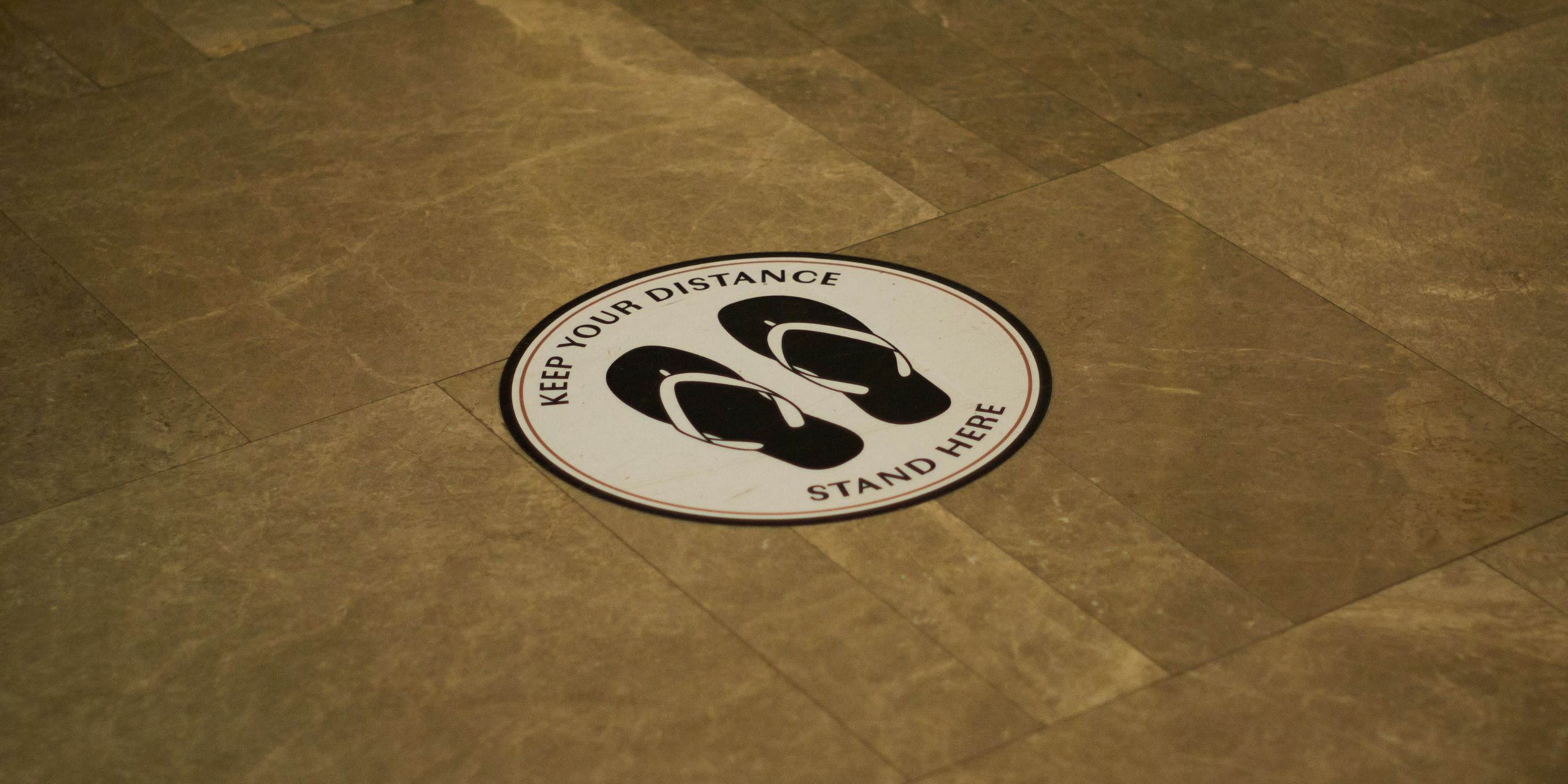
Events and activations often span multiple surface types across the same venue. You might have carpet inside, concrete at the entrance, and pavers out the front. In that case, you want a single material versatile enough to handle all of them rather than managing two or three different products on the same job. Look for something with broad surface compatibility and easy application and removal, since fast bump-in and bump-out is usually part of the brief.
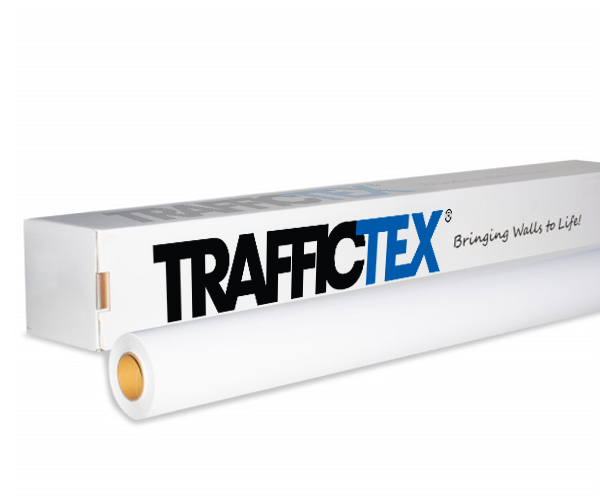
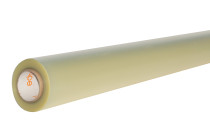
TrafficTEX is the product we reach for in this situation, sticking reliably to carpet, concrete, stone, pavers, and asphalt, indoors and out.
TrafficTEX is the product we reach for in this situation, sticking reliably to carpet, concrete, stone, pavers, and asphalt, indoors and out.
Rough outdoor surfaces: asphalt, concrete, pavement
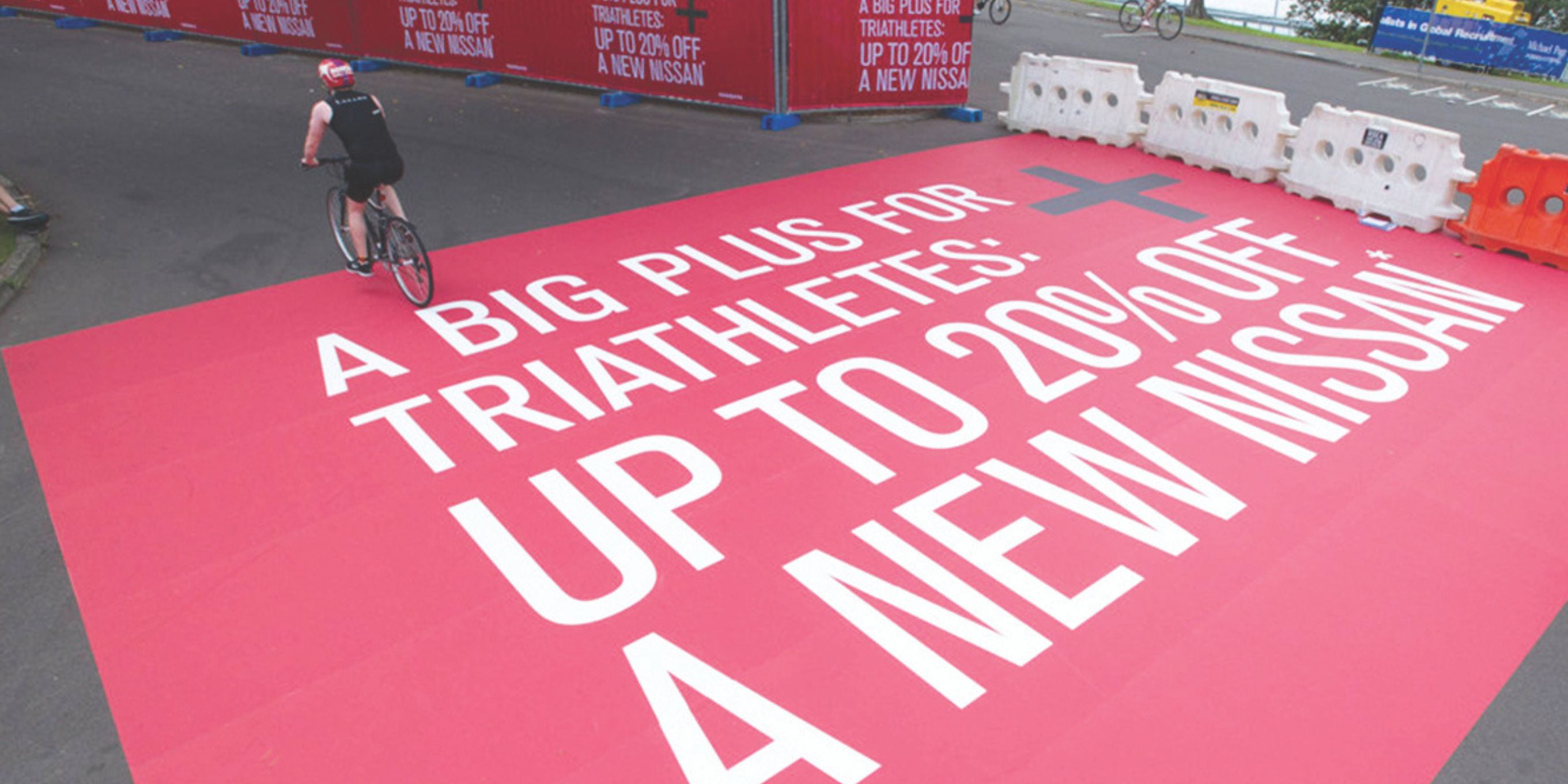
Outdoor hardscapes are the most demanding environment for floor graphics. You're dealing with UV exposure, rain, temperature changes, foot traffic, and in some cases vehicle traffic as well. The material needs to be tough enough to handle all of that without lifting at the edges or degrading.
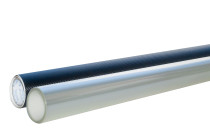
For rough exterior surfaces, conformability is critical. The material needs to press into the texture of the surface rather than sitting on top of it, otherwise you get air pockets and edges that lift. An aluminium foil base is ideal for this because it's highly conformable without any memory, meaning it moulds to the surface and stays there. Aluminium also adds durability and drive-over toughness that a standard vinyl simply can't match.
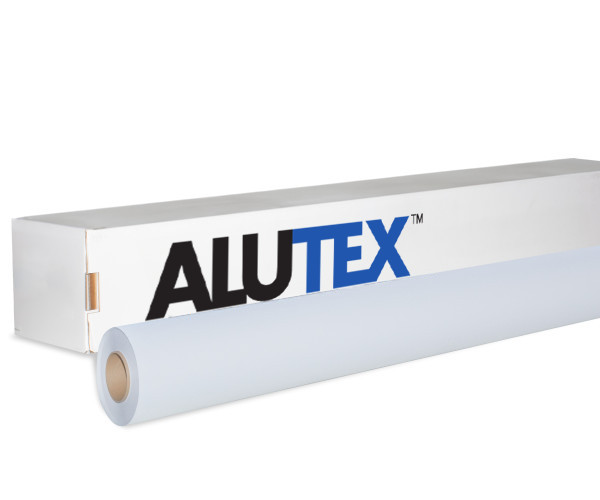
The adhesive needs to be high tack to grip low surface-energy materials like unpainted concrete and asphalt. For these jobs, we specify ALUTEX, an aluminium-foil-based media with an acrylic solvent adhesive built for exactly these conditions, with a NATA-certified R11 slip rating and durability up to 6 months in low-traffic areas.
Think About Durations
How long does the graphic need to last? This shapes your material choice as much as the surface does.
Short-term event or activation (a few days to 2 weeks) is very different from a retail floor promotion running for a month or more. For short runs, easy clean removal is a priority. For longer runs, you need a material that won't degrade, yellow, or lose adhesion over time under regular foot traffic.
Don't Forget Slip Resistance!
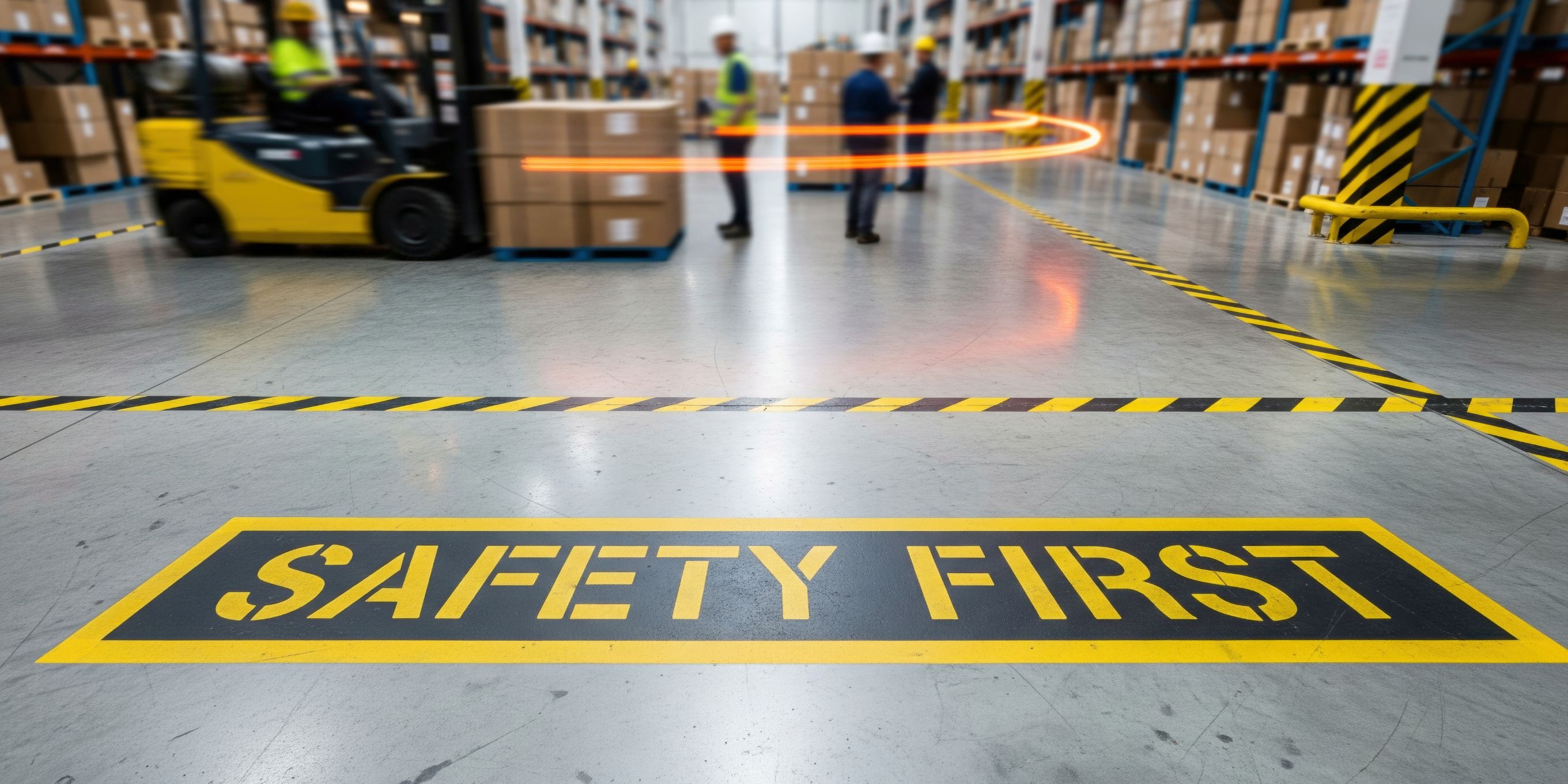
This one's non-negotiable. Any floor graphic in a public space needs to meet slip resistance requirements. In Australia, the relevant standard is AS 4586, and you want to look for materials that have been independently tested and certified, not just claimed to be non-slip.
A textured surface is what does the work here. Smooth laminates, even matte ones, can become slippery underfoot, especially when wet. Choosing a material with a built-in non-slip texture means you can skip the laminate step entirely and still meet your slip rating obligations.
The Short Version
Ask these four questions and you'll land on the right material almost every time:
1. What surface is it going on? Carpet, smooth indoor, rough outdoor, or mixed?
2. Is it indoors or outdoors? Outdoor jobs need UV stability, weatherproofing, and tougher adhesion.
3. How long does it need to last? Days, weeks, or months?
4. What's the slip rating requirement? Make sure it's independently tested, not just claimed.
Get those four answers and the material choice usually makes itself. If you're still not sure, give us a call and we'll work through it with you.