


You have no items in your cart.
Start Shopping

Same Fixture, New Message: 5 Ways to Use Magnetic Signage
SIGNAGE | RETAIL | DISPLAY
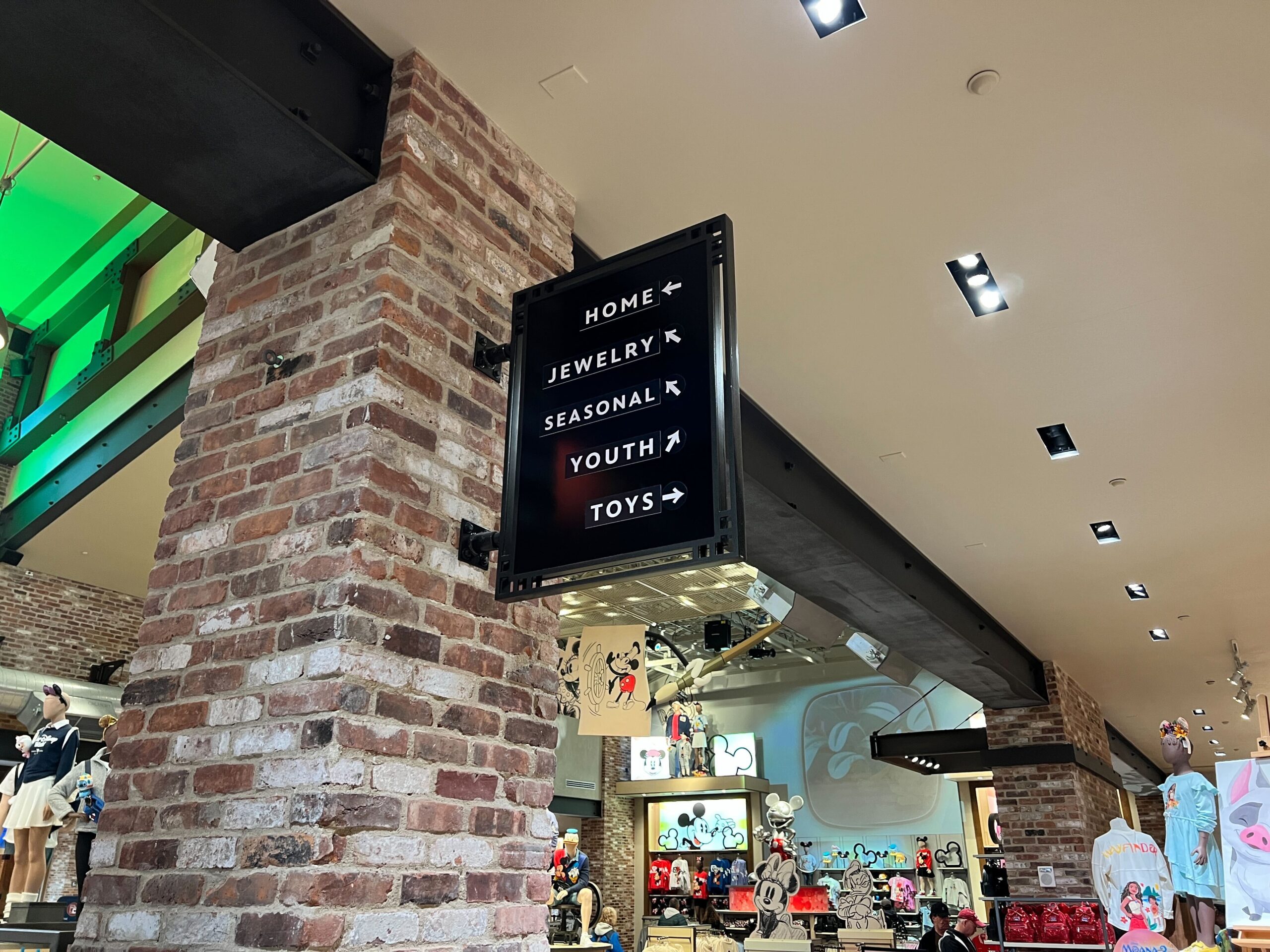
Every retail display has a message that never changes and a message that changes all the time. The trouble is, they usually end up on the same fixture. That’s where magnetic signage earns its spot. Keep the brand elements in vinyl, put the rotating message on a magnetic panel, and one fixture can run campaign after campaign without anyone reaching for a scraper. Here are five ways to set it up so the job suits the client and makes life easier for you too.

1. Split the job into a permanent layer and a changeable layer

Look at any retail fixture and you’ll find two kinds of content. There’s the stuff that stays: logos, brand colours, category headers, the look that says whose shop this is. Then there’s the stuff that moves: this week’s price, the seasonal offer, the “new in” callout.

Vinyl is the right call for the first group. It’s built for the long haul, it holds colour and edge detail, and it gives the display a finished, locked-in look. The second group is where magnetic panels do the heavy lifting. Put the rotating message on a magnetic panel that sits over or alongside the vinyl, and the client can refresh the fixture themselves whenever the message changes.

The nice part for you is that it’s a bigger job, not a smaller one. The client needs the vinyl base layer and the magnetic panels, and you’ve designed a system instead of a single sign. That tends to land better in the quote conversation than “here’s a sign and you’ll be back in six weeks for another.”


2. Design for the changeover, not just the sign

A sign looks great on install day. What the client remembers is what it’s like on changeover day, when a staff member has ten minutes before opening and a stack of new graphics to put up.

Think about that person when you design the panels. Size them so one fixture can take several campaigns without a new cut each time. Keep your artwork bleeds and margins consistent from job to job so panels line up the same way every time. If a fixture has multiple panels, a simple layout system (same dimensions, same positions) means the changeover is a swap rather than a puzzle.

3. Trade shows: print once for the frame, change the story each show

Trade show exhibitors spend real money on the structure: steel display frames, walls and fixtures. They want that investment to work across a whole calendar of events, but each show has a different audience, a different product focus and sometimes a different launch.

Magnetic graphics suit that rhythm. The frame stays the same and the graphics change for each event. You print the new story, the exhibitor swaps it in at bump-in, and the stand looks fresh without a rebuild. Over a few shows, the saving on structure and install time adds up, and it gives you a reason to be the first call when the next event comes around.


4. Map the signage to the promo calendar

Retail runs on a calendar. EOFY sales, back to school, Christmas, Boxing Day, the winter clearance. Every one of those has its own message, and many of them need to look different from the one before.

This is a great conversation to have with a client. Sit down with their promo calendar and mark up which messages change often and which ones stay for a season or longer. The ones that rotate several times a year suit interchangeable magnetic graphics. The ones that run for months, or become part of the permanent look of the store, are better in vinyl.

You end up with a plan that shows you understand their business, and it often leads to a larger and more considered order than a one-off sign would. It also gives you a rhythm of repeat work: new artwork for each campaign, fitted to a system that’s already in place.


5. In the workshop: print and finish for a flush fit

Magnetic sheet handles differently on the bench from rigid substrates or a roll of vinyl, so a little attention in production goes a long way.

Keep sheets flat before and after printing, because curl is the thing that causes most of the grief down the line. Plan your layouts so you’re cutting cleanly and consistently, and finish edges so panels sit flush against the surface instead of lifting at the corners. Corner treatment and edge quality are small details that make a panel look professional on a fixture, and they’re easy to get right when you’re thinking about them from the start.


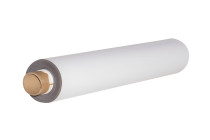
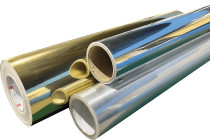
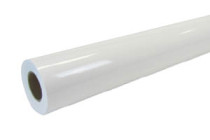
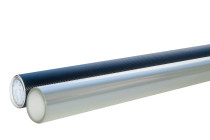
Magnetic Products in Our Range