-210x140.jpg "A-Frames")


Window Films 101: A Quick Guide for Installers
Window Films 101: A Quick Guide for Installers

SIGNAGE | WINDOW FILMS | DISPLAY
Window film is one of those jobs that looks simple until you're standing in front of a glass door wondering why the edges won't sit flat. Get the right film for the job and the install is fast and forgiving. Get it wrong and you're fighting bubbles, lifting edges, or a finish that doesn't match what the client pictured. Here's a rundown of the main film types, where they're used, and what actually matters when you're applying them.
Decorative privacy films
Decorative privacy films
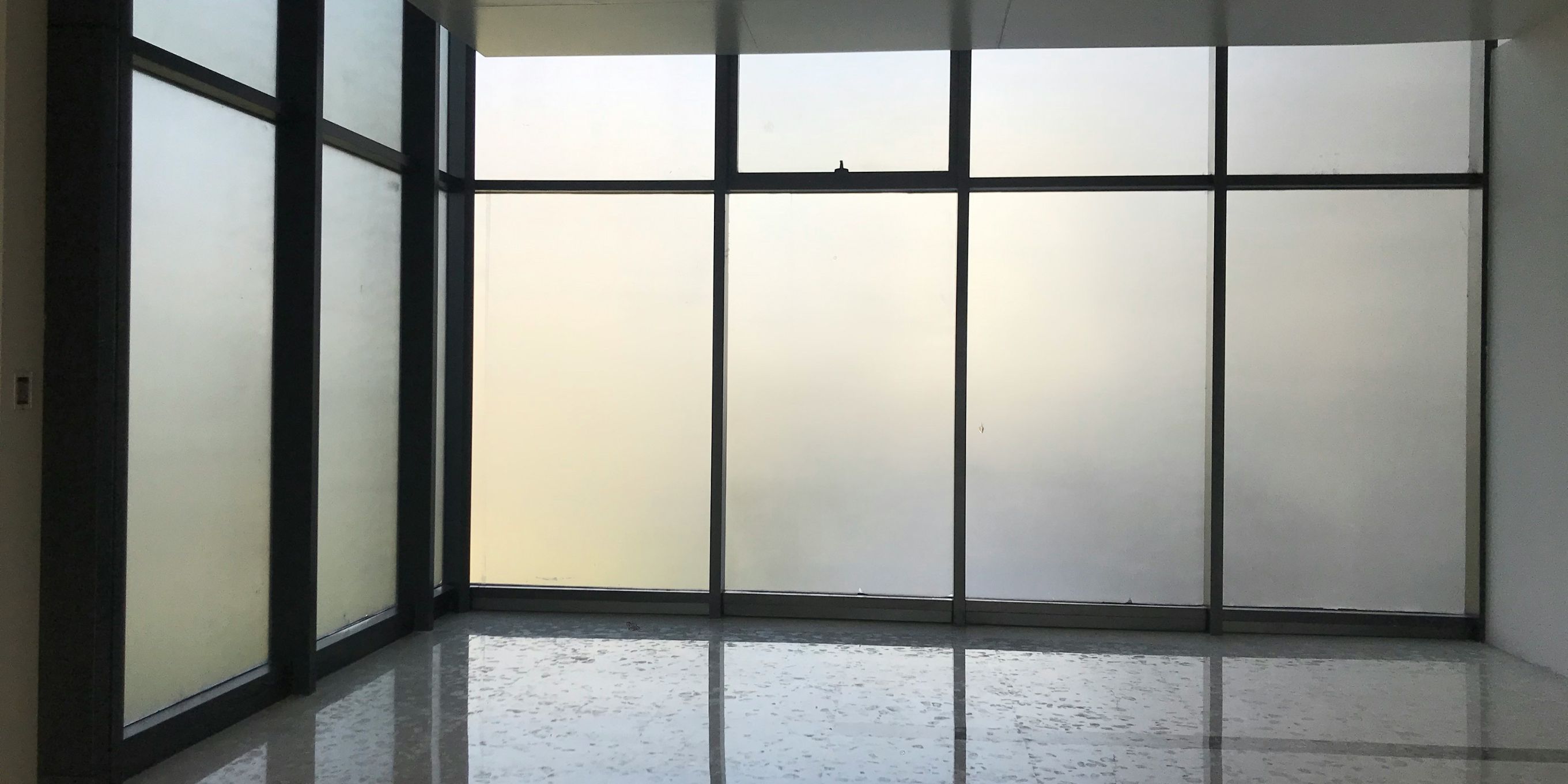
Most interior glass jobs come down to one question: how much privacy does the client want, and how much light are they happy to lose? Decorative films sit on a spectrum here.
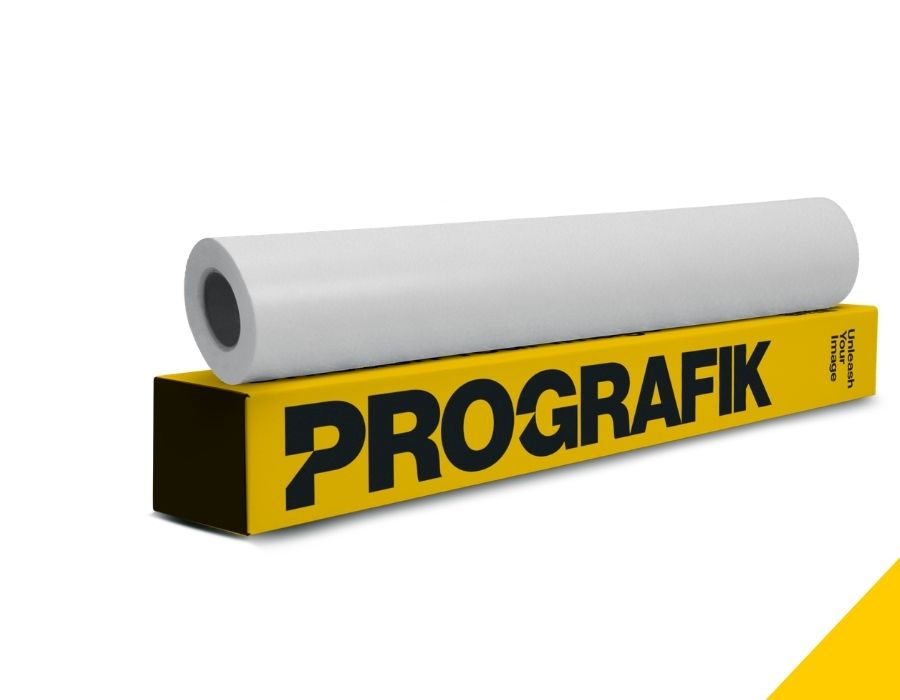
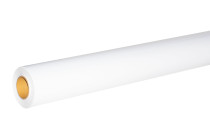
At one end you've got a soft, matte look, something like a dusted finish, which reads as understated and modern. It's a popular choice for office partitions, meeting room glass, and bathroom doors where you want privacy without making the space feel closed in. A matte finish like this also tends to be more forgiving on tricky surfaces, since it hides minor surface imperfections better than a glossy film would.
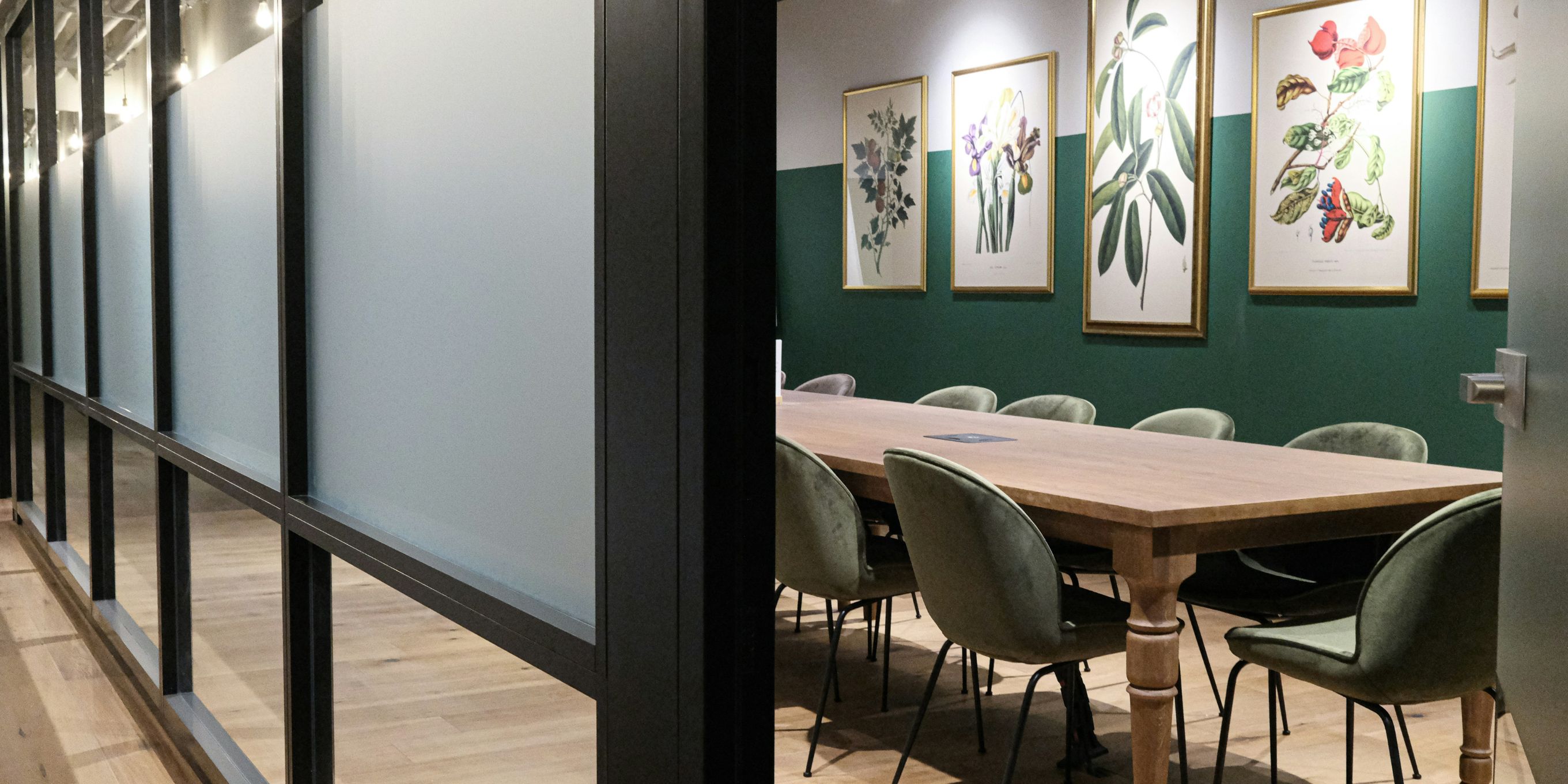
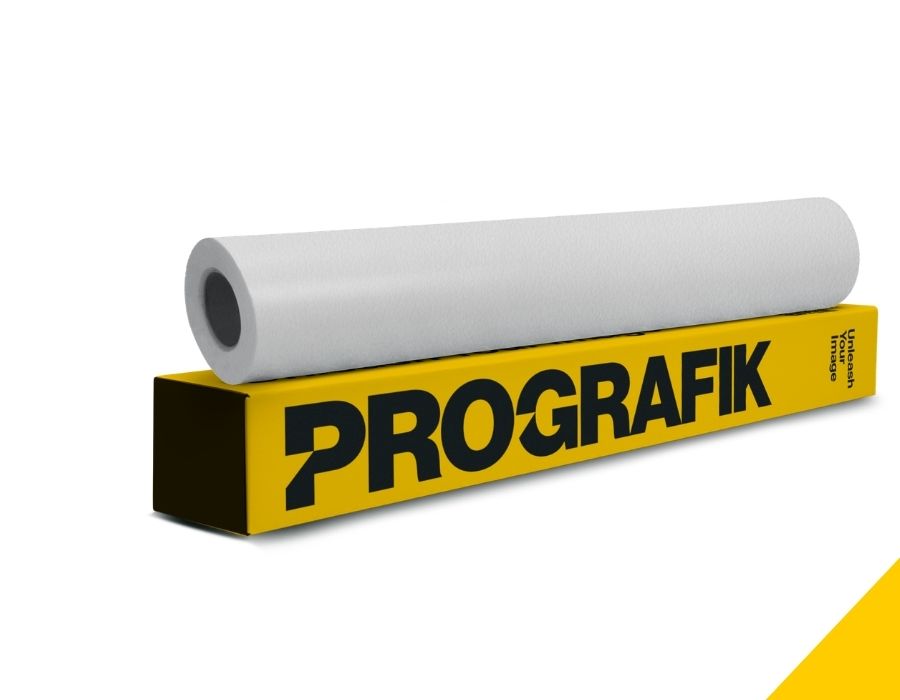
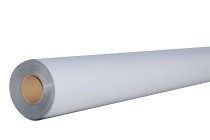
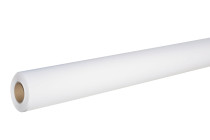
At the other end, a frosted, etched-glass look gives a more polished, "sandblasted" appearance — the kind of finish that makes a glass partition look genuinely upgraded rather than just covered up. These films are usually printable and plotter-compatible too, so if a client wants logos, patterns, or custom branding cut into the design, this is the category to reach for.
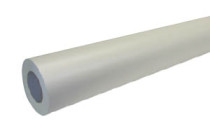
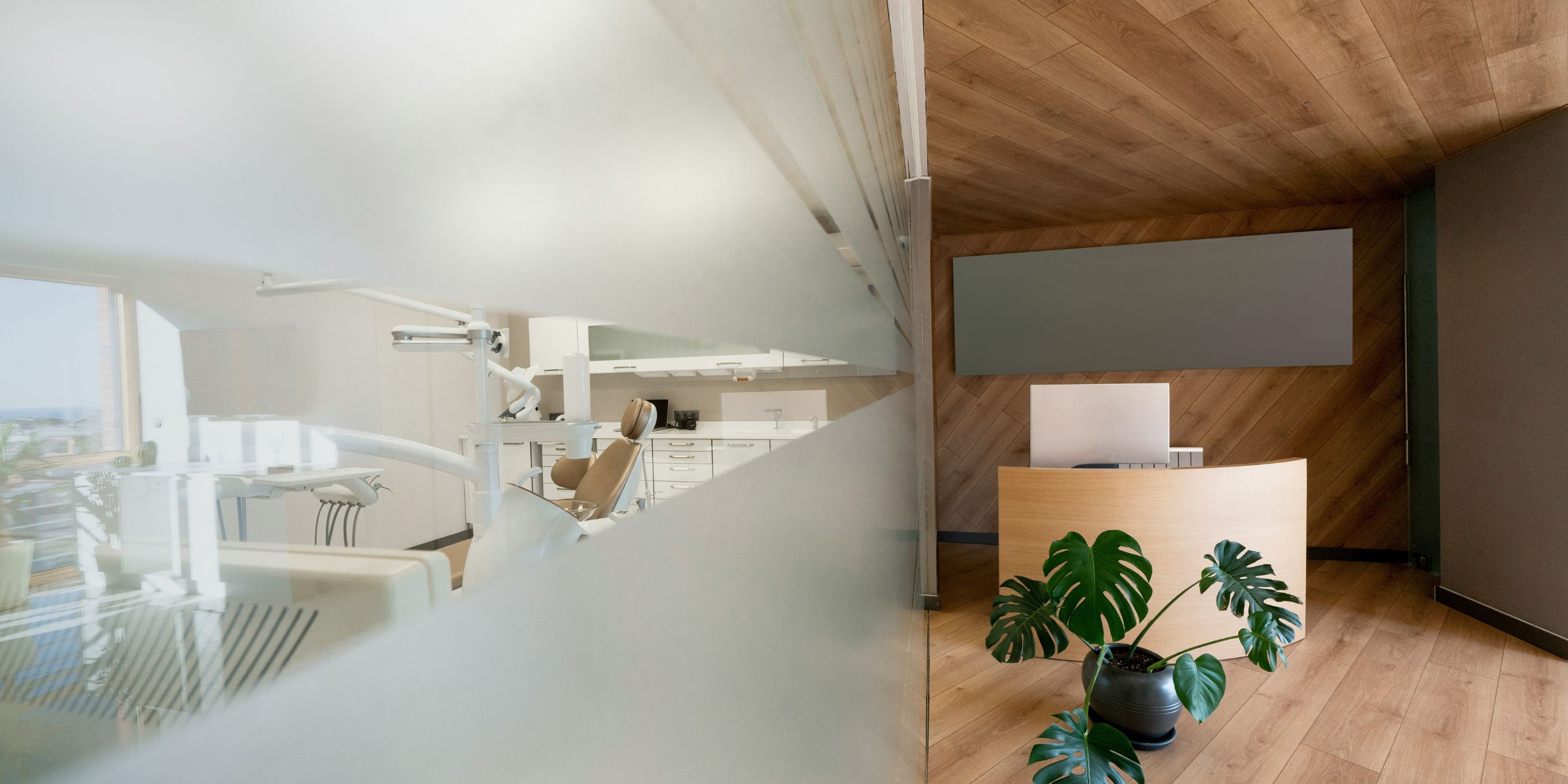
Then there's textured film that mimics reeded or fluted glass — those vertical ribs you see in architectural glazing. It's had a real resurgence in residential and commercial fitouts over the last few years, and for good reason: it distorts visibility just enough for privacy while still pulling plenty of light through. It's a great option when a client wants the look of expensive reeded glass without replacing the glazing itself.

Where each type earns its keep
Where each type earns its keep
Office partitions and meeting rooms: matte or frosted finishes work well — calm, professional, not distracting.
Retail and feature walls: frosted films shine here, especially when branding or patterns are involved.
Bathrooms, shower screens, mirrors: any of these film types handle moisture fine, but check adhesive type (more on that below) given the humidity.
Residential glazing, doors, internal windows: reeded/fluted styles are increasingly popular for a boutique, architectural feel.
Installation tips and tricks
Surface prep is everything. Nine times out of ten, a bubbling or lifting film comes back to a surface that wasn't properly cleaned and dried. Strip back to bare glass, degrease, and don't rush the drying time, especially in bathrooms where ambient moisture lingers.
Know your adhesive before you start. Removable adhesives give you room to reposition and are ideal for jobs that might change down the track: branding refreshes, rental properties, temporary signage. Permanent adhesives bond harder and suit long-term installs where you don't want any movement or lifting at the edges over time. Always check which one you're working with before you commit to a placement.
Squeegee technique beats squeegee pressure. Overlapping strokes from the centre out will move air and water to the edges far more reliably than pressing harder. If you're getting persistent bubbles, it's usually technique, not the film.
Mind the micron and finish when cutting. Thicker films (around 90µ) hold their shape well on a plotter and are generally more forgiving with intricate cuts, while lighter films (around 70µ) are easier to handle on large, unbroken panels but need a steadier hand on detailed work.
Temperature matters more than people think. Cold glass slows the adhesive's grab and makes air harder to push out. Where possible, install in moderate ambient temps, and let films acclimatise to the room before application.
Whatever finish the brief calls for, the fundamentals don't change: clean glass, the right adhesive for the job, and a steady, methodical squeegee technique. Get those three right and the film does the rest.